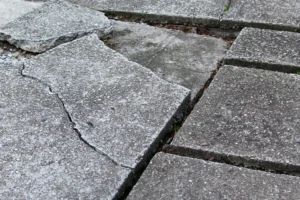
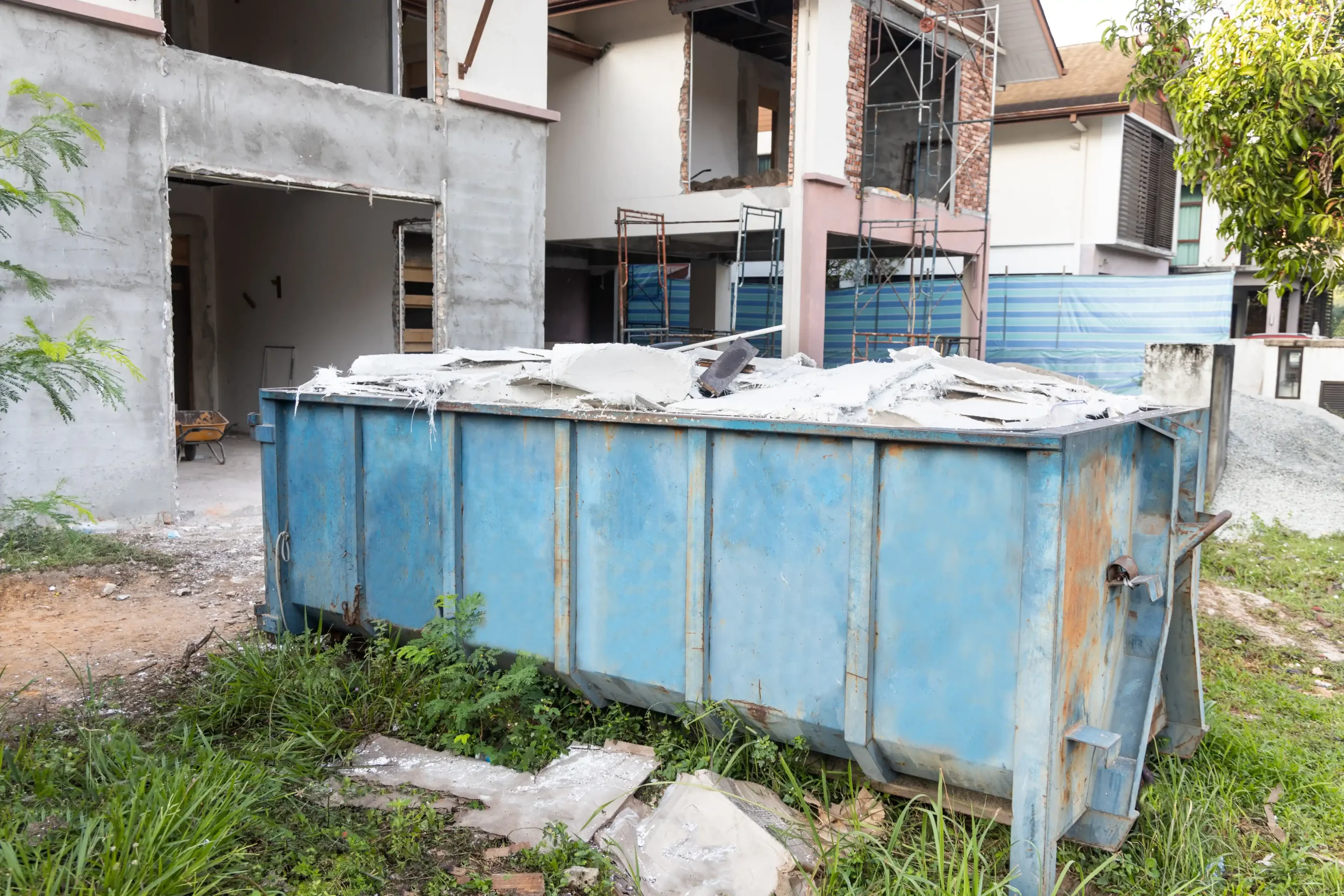
Concrete Disposal in Central Texas: Plan Your Patio Demolition Cleanup
Concrete disposal in Central Texas needs to be arranged before patio demolition begins. Broken concrete is heavy, and an ordinary remodeling-debris booking should not be treated as approval to load it. The Dump Dude requires advance arrangements for a special dumpster for concrete, brick, and asphalt.
Start with three details: what you are removing, approximately how much material the project will create, and how the delivery truck can reach your property. Confirm the accepted materials and loading instructions before anyone starts filling the container.
This guide helps homeowners and contractors plan the disposal side of a patio, walkway, or other concrete-removal project, from the first measurements to pickup.
Can You Put Broken Concrete in a Dumpster?
Broken concrete can go in a dumpster only when the provider has approved that material and arranged the appropriate container and load conditions. A dumpster offered for general cleanup is not automatically suitable for a heavy concrete load.
The Dump Dude’s dumpster rental information specifically calls for contacting the company about concrete, brick, and asphalt. Loading these materials without a prior agreement can result in overage charges.
Before reserving, describe the project as concrete disposal rather than simply construction cleanup. That gives the rental team the information it needs to discuss the right arrangement.
Why Concrete Changes Your Disposal Plan
Weight matters as much as space
Dumpster size describes available space, but space alone does not tell you how much concrete the container can carry. Dense debris can reach a permitted load weight while there is still visible room inside.
Ask for the loading limit that applies to your specific material and container. Do not use the top edge of the dumpster as your only guide, and do not add more material simply because it fits.
The slab is only part of the job
Describe anything that will be removed along with the concrete. Possible materials to disclose include:
- Steel reinforcement or wire mesh embedded in the slab.
- Soil, sand, gravel, or base material beneath it.
- Brick, pavers, or mortar from adjoining features.
- Wood, plastic, or other debris from the wider renovation.
- Coatings or substances on the concrete that may affect acceptance.
Do not assume that all of these can share one load. Ask the provider to confirm the plan before combining materials.
Demolition and disposal are separate responsibilities
Make sure someone is responsible for each stage: breaking the slab, moving the debris, loading the dumpster, and arranging pickup. A dumpster reservation does not establish that demolition work or loading labor is included.
If a contractor is removing the patio, clarify who is coordinating the container. Share the rental provider’s instructions with the people doing the loading so they do not have to guess on the workday.
What to Gather Before Asking About Concrete Disposal
A useful project description goes beyond “one patio.” Measurements, photos, and access details make the conversation more productive.
1. Measure the concrete you plan to remove
Record the length and width of each slab section. Include thickness if it is already known or visible without disturbing the structure. Identify steps, thickened edges, or footings separately rather than assuming every part has the same thickness.
If a measurement is uncertain, say so. Do not convert an estimate into a confident weight claim or select a container based only on the patio’s surface area.
2. Identify the material and its condition
Explain whether the project involves poured concrete, concrete pavers, masonry, or a mix. Mention visible reinforcement and any attached materials. Photos can help communicate the project, but they do not replace the provider’s approval of what can be loaded.
3. Describe access to the property
Provide the project address and explain where you would like the container placed. Note gates, turns, parked vehicles, overhead obstacles, and any concern about the proposed surface.
The route from the patio to the container also matters. Confirm how the demolition crew will move debris without blocking the truck’s delivery and pickup access.
4. Share the work schedule
Give the expected demolition date and say whether the disposal plan must cover other renovation stages. Ask when delivery and pickup can be scheduled, and what to do if the amount of debris changes after work starts.
Have the material and loading plan confirmed before relying on a delivery date.
Planning a project now? Contact The Dump Dude with your measurements, material details, and property location to discuss the disposal arrangement before demolition.
Should Concrete Stay Separate From Other Debris?
Keep concrete separate from other materials until the provider confirms what the approved load can contain. Mixing in soil, wood, trash, or unrelated renovation waste can change how the load must be handled.
Ask specific questions rather than relying on labels such as “clean fill” or “clean concrete”:
- Is concrete with embedded steel acceptable?
- Can brick or pavers be included?
- Does soil or gravel need a separate arrangement?
- Are coated or stained pieces acceptable?
- What should happen to materials that are not approved?
If recycling is a priority, ask whether a recycling option is available for your actual material. Do not assume that every concrete load will be recycled or that every facility accepts the same combination of debris.
Coordinate Placement and Loading Before Work Starts
Agree on a placement location with the rental provider and the property owner. Ask about access, the suitability of the surface, and any protective measures the provider recommends. Keep that area clear for delivery and pickup.
If you are considering placement in a street or another public area, contact the relevant local office before proceeding. Ask what approvals apply to that address and placement. For property governed by an HOA or a rental agreement, check the applicable restrictions as well. The dumpster booking itself is not a substitute for those checks.
Once the container is delivered, follow the instructions provided for the approved load. If the crew uncovers more concrete, different materials, or unexpected reinforcement, pause and confirm the revised disposal plan before adding them.
Keep demolition safety with the qualified crew
Concrete removal involves more than hauling heavy pieces. OSHA explains that cutting and crushing concrete can create respirable crystalline silica, a serious inhalation hazard.
Discuss dust control, equipment, site hazards, and worker protection with a qualified demolition contractor. This disposal checklist is not a guide to operating demolition equipment or a substitute for a job-specific safety plan.
Planning a Concrete Cleanup in Central Texas
The Dump Dude’s published service area includes Temple, Belton, Salado, Troy, Killeen, Harker Heights, and other Central Texas communities. Check the service-area page and confirm availability for your exact project address.
The address is more useful than the city name alone. The rental team needs to understand the property’s access and the proposed delivery location, while your contractor needs to plan the route between the demolition area and the dumpster.
For a coordinated project, settle these details before the crew arrives:
- Who is ordering the container and receiving the loading instructions?
- Which materials have been approved?
- Where will the dumpster sit, and is that location ready?
- Who will contact the provider if the debris quantity changes?
- Who will confirm the load is ready for pickup?
A shared plan helps avoid a situation where demolition is underway but the crew does not know where the material can go.
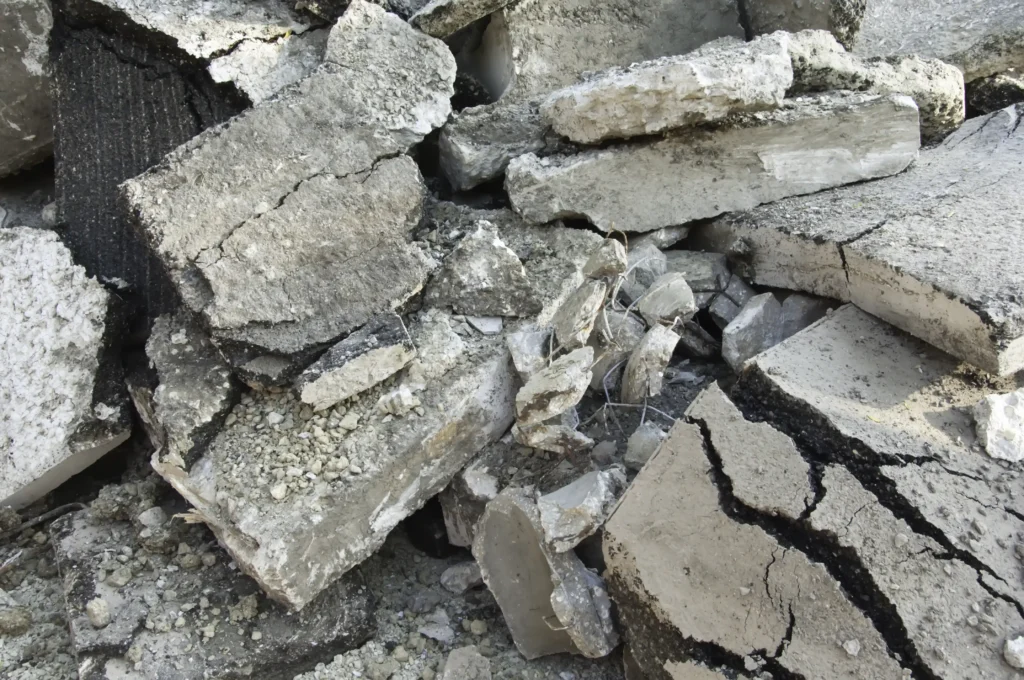
Frequently Asked Questions About Concrete Disposal
What dumpster should I rent for a concrete patio demolition?
Ask the provider to specify the container and loading conditions for your concrete project. Supply the slab measurements, known thickness, material details, and address instead of choosing by advertised volume alone.
Does The Dump Dude accept concrete?
The Dump Dude lists concrete as requiring advance arrangements for a special dumpster. Contact the company before booking or loading to confirm the terms for your project.
Can concrete and regular renovation debris go together?
Only combine concrete with other debris if the provider has explicitly approved that mixture. Disclose soil, wood, packaging, masonry, and other materials before loading.
How much concrete can I put in the dumpster?
Use the project-specific limit and loading instructions supplied by the rental provider. Visible empty space does not establish how much additional weight the container can take.
What if the concrete contains rebar or wire mesh?
Tell the provider about embedded reinforcement before arranging disposal. Ask whether it is accepted and whether any preparation requirements apply, then coordinate those requirements with the demolition contractor.
Do I need permission to put a dumpster in the street?
Check with the relevant local office before placing a dumpster in a street or other public area. Explain the exact location and placement plan so you can learn what approvals apply; do not assume the same answer applies throughout Central Texas.
Will renting the dumpster include breaking up and loading the patio?
Do not assume a dumpster rental includes demolition or loading labor. Confirm the scope with your contractor and rental provider so each part of the work has a responsible party.
Arrange Disposal Before You Remove the Patio
For homeowners and contractors planning concrete removal in Central Texas, the next step is to confirm how the debris will be handled before demolition begins.
Ask The Dump Dude about your concrete disposal project. Share the property location, slab measurements, known thickness, and materials involved so you can discuss the appropriate arrangement and loading instructions.